


Game of Kings:The Blood Throne
4.54.47K Reviews
App Specs
- Version
- 2.0.131
- Updated On
- License
- Free
- Downloads
- 1,000,000+
- Developer
- LIGHTNING STUDIOS
- Categories
- Strategy
- Platform
- Android
Screenshots
 Analysis by AppCompare
I enjoy medieval strategy games most when the decisions reach beyond a single fight: what to build, what to protect, and when to trust another player. Game of Kings: The Blood Throne puts those choices at the center of its kingdom-building and multiplayer warfare. Its appeal is less about a quick match and more about shaping a realm while weighing the risks of competition and cooperation.
Choosing what your kingdom needs next
A useful way to approach the opening stretch is to treat each building choice as a commitment rather than a simple upgrade. A barracks supports military plans, while farms help sustain the economy; leaning too hard on one direction can leave the other exposed. I’d pause before spending resources and ask what the next step is meant to accomplish: prepare for conflict, strengthen the kingdom’s foundations, or keep options open.
That habit matters because expansion creates new demands. A larger realm may look like progress, but it also raises the stakes of managing resources and defending what you have built. I found it more satisfying to make deliberate choices than to treat every available construction as an automatic improvement. If you prefer a strategy game where planning matters even between battles, that tension is a good fit.
Risk, timing, and the cost of a bold move
Attacking is not simply a matter of sending the largest force available. The game asks you to consider your army and your opponent, so I would avoid treating every apparent opening as a guaranteed win. Before committing, think about what you might give up by concentrating on an attack: resources that could have strengthened the economy, or the ability to respond if the situation changes.
This makes patience a practical tool. A strong move is not always the earliest move, and a smaller, well-chosen action can be more sensible than rushing into a contest without a clear purpose. The trade-off is that cautious play can feel slow if you want immediate action. I’d recommend the game to players who enjoy letting a plan develop, rather than those who want every session to deliver a fast, self-contained battle.
How cooperation changes the plan
Alliances add another layer to those decisions. Working with other players can support shared goals and coordinated attacks, but cooperation does not remove uncertainty. Rivalries and the possibility of betrayal make trust part of the strategy, so I would not build a plan that only works if every ally behaves exactly as hoped.
A practical approach is to keep your own kingdom’s needs in view while collaborating. Coordinate when a shared effort has a clear benefit, but make choices that still leave you able to adapt if relationships shift. That balance is a more interesting challenge than simply joining a group and assuming the hard decisions are over.
Worth Reading Before You Choose

EA SPORTS FC Mobile 26 Is a Bigger Football Game, but It Takes Time

Flipboard Shows What News Apps Must Do Beyond the Feed

Switching to Android Auto Means Rethinking Your Driving Routine

Google Calendar Makes a Crowded Week Easier to Manage

Ludo King Makes the Most of the Minutes Between Plans

Baby Panda World Brings Quick Play to Modern Phones, but Its Game Library Feels Busy
Who will enjoy this style of strategy?
I think this is best suited to players who like medieval settings, gradual kingdom management, and multiplayer competition that can include cooperation as well as rivalry. It can also work for someone who enjoys checking in on a broader plan over time instead of looking for a campaign that ends after a handful of short matches. The satisfaction comes from connecting economic choices, military preparation, and relationships with other players.
On the other hand, I would steer away if you want a purely solo experience, a tightly scripted story, or quick battles with little commitment between them. Game of Kings is built around online multiplayer strategy, and that means other players are part of the environment you are planning for. If you would rather solve a fixed set of tactical puzzles at your own pace, a turn-based or single-player strategy game may suit you better.
A realistic way to fit it into a day
Imagine opening the game during a break and noticing that your kingdom has a choice to make: support the army or reinforce the economy. Rather than spending resources on impulse, you can set a priority, make the relevant building decision, and consider whether your current military plan still makes sense. Later, when you have more time to think, you can revisit the bigger question of whether to cooperate with an ally or prepare for a rival’s move.
That split between a quick check and more considered planning is a useful way to approach a strategy game with ongoing multiplayer stakes. I would not assume that every session can be neatly finished in a few minutes, though. Decisions involving attacks and alliances deserve attention, and it is better to play when you can think through their consequences than to commit while distracted.
How it compares with other strategy games
Compared with a short-match strategy game, Game of Kings puts more emphasis on managing a kingdom and navigating relationships over time. Compared with a solo empire-building game, its online competition and alliances make the world less predictable: you are planning around people, not only around a fixed set of challenges. That difference is the main reason to choose it, but it is also why it may feel less controlled than a single-player alternative.
For me, the best comparison is not about which game has more features; it is about what kind of decision-making you want. Choose this one if the mix of construction, military planning, and player interaction sounds appealing. Choose a more contained strategy game if you want sessions with a clear endpoint or a story that does not depend on other players.
What to know before committing
Game of Kings: The Blood Throne is a free strategy game from LIGHTNING STUDIOS, with an average rating of 4.5 from around 46,000 ratings and more than a million installs. It is rated Teen, runs on Android 6.0 and later, and its current version is 2.0.124. The game has optional in-app purchases, with individual items ranging from $0.99 to $99.99, so I would look carefully at any purchase prompt and decide in advance whether spending fits your plans.
That free entry point makes it easy to try the game, but it is worth approaching purchases with a budget rather than letting a moment of impatience decide. If you are comparing it with another kingdom strategy title, consider whether you actually want a persistent multiplayer setting; that is more important than simply choosing the game with the most tempting offer. LIGHTNING STUDIOS released it on April 2, 2016, and its 2.0.124 version is the one to check for compatibility before installing.
First Impressions and Gameplay Mechanics
When I first downloaded Game of Kings: The Blood Throne, I was immediately drawn in by its stunning graphics and immersive soundtrack. It’s clear from the get-go that the developers have put a lot of effort into creating a visually appealing world. The attention to detail in the game’s landscapes and the design of the characters is truly impressive.
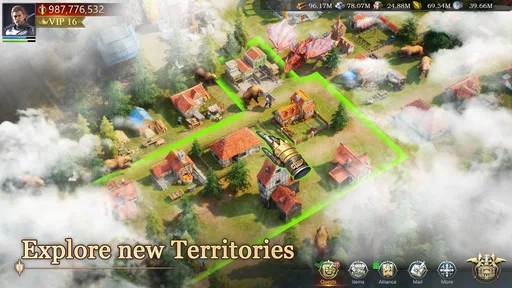
The gameplay itself is a familiar yet exciting blend of strategy and kingdom management. You start off with a modest kingdom, and your goal is to expand, conquer, and ultimately take the throne. The mechanics are straightforward, making it easy for newcomers to get the hang of things while still offering enough depth to keep seasoned strategists engaged.
Building and Expanding Your Kingdom
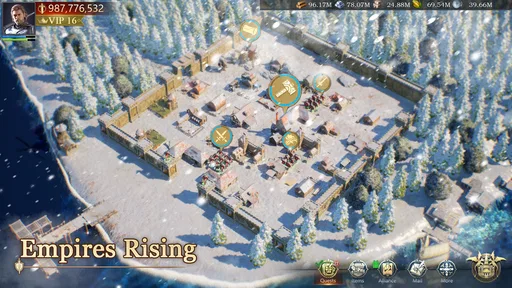
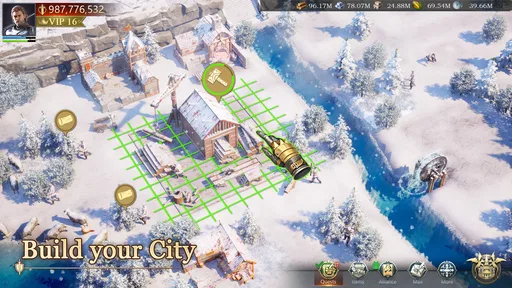
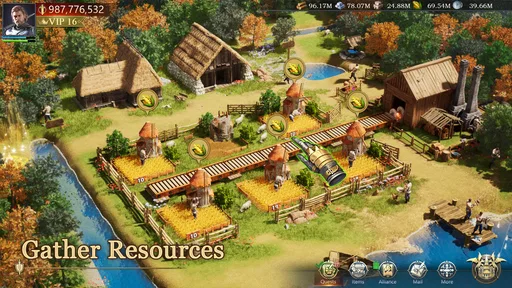
One of the core aspects of the game is kingdom building. You’ll need to construct various buildings, such as barracks for training troops and farms for food production. Each building serves a unique purpose, and balancing your resources becomes crucial as you expand.
I found myself constantly strategizing on how to allocate resources efficiently. Should I focus on strengthening my army or invest in economic structures? These decisions add a layer of complexity that keeps the game interesting and rewarding.
Engaging in Warfare
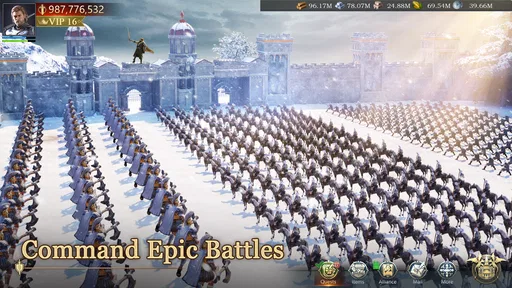
The battle system in Game of Kings is both challenging and exhilarating. You’ll need to carefully plan your attacks, considering the strengths and weaknesses of your army and those of your opponents. There’s nothing quite like the satisfaction of outsmarting your enemies and claiming victory on the battlefield.
What I particularly enjoy is the game’s emphasis on strategy over brute force. It’s not just about having the biggest army; it’s about using your troops effectively and making tactical decisions in the heat of battle.
Alliances and Rivalries
No kingdom can thrive in isolation, and Game of Kings recognizes this by allowing players to form alliances. Teaming up with other players can provide strategic advantages, such as shared resources and coordinated attacks. It also adds a social element to the game, which is a nice touch.
However, alliances can be a double-edged sword. Betrayal and rivalries are part and parcel of the experience, adding layers of intrigue and unpredictability. This dynamic makes the game feel alive and keeps you on your toes.
The Final Verdict
After spending countless hours with Game of Kings: The Blood Throne, I can confidently say it’s a must-play for any fan of strategy games. Its combination of stunning visuals, engaging gameplay mechanics, and the thrill of both cooperation and competition makes it a standout title in the genre.
Whether you’re in it for the strategic battles, the kingdom-building aspect, or the social interactions, there’s something for everyone. So go ahead, download the game and see if you have what it takes to claim the blood throne. Happy conquering!
Pros
- Engaging strategy gameplay with deep tactical elements.
- Rich and immersive medieval fantasy setting.
- Frequent updates keep the game fresh and exciting.
- Strong community of players for alliances and support.
- Beautiful graphics enhance the gaming experience.
Cons
- Can be time-consuming to progress significantly.
- In-app purchases can become quite costly.
- Steep learning curve for new players.
- Requires constant internet connection.
- Occasional lag during peak playing times.
FAQs for Game of Kings:The Blood Throne
What is the gameplay like in Game of Kings: The Blood Throne?
Game of Kings: The Blood Throne is a strategy game where players build and expand their kingdoms, form alliances, and engage in epic battles. You need to manage resources, recruit troops, and develop technologies to strengthen your empire. The game combines elements of warfare, diplomacy, and resource management, offering a comprehensive strategy experience.
Is Game of Kings: The Blood Throne free to play?
Yes, Game of Kings: The Blood Throne is free to download and play. However, it contains in-app purchases that allow players to buy resources, speed up progress, or gain other advantages. While you can enjoy the game without spending money, purchasing these items can enhance your gaming experience.
What are the system requirements for Game of Kings: The Blood Throne?
Game of Kings: The Blood Throne is available on both Android and iOS devices. For Android, you generally need a device running Android 4.0 or higher, while iOS users require iOS 8.0 or later. A stable internet connection is essential for seamless gameplay, as the game involves real-time multiplayer interactions.
Can I play Game of Kings: The Blood Throne with friends?
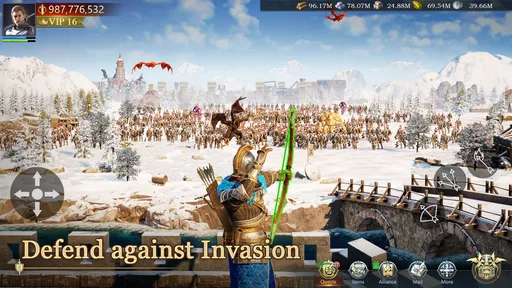
Yes, you can play with friends in Game of Kings: The Blood Throne. The game features a robust alliance system that allows you to team up with friends and other players worldwide. Collaborate to conquer territories, defend against attacks, and climb the leaderboards together, making the game a social experience.
How does the alliance system work in Game of Kings: The Blood Throne?
In Game of Kings: The Blood Throne, the alliance system enables players to join forces with others to achieve common goals. Alliances provide support through shared resources, strategic planning, and coordinated attacks. Being part of an alliance offers protection against enemies and increases your chances of dominating the realm.


